
FOUNDATION · 501(C)(3) · MIT LICENSE (SOFTWARE)
What EmbeddedOS Does
We build open-source embedded-system projects spanning secure boot, a real-time OS, communications, applications, developer tools, on-device AI, and longer-term artificial general intelligence (AGI) research. Each architecture stage below is labeled by its current maturity; no achieved AGI system is claimed.
The architecture below is an illustrative reference, not a claim that every stage is available as one production system.
- 23GitHub Repos
- 83Supported Boards
- 300+Public APIs
- 43eApps
- 13Product Lines
- 15Hardware Categories
Architecture by Maturity
- Shipped profile
- Available project
- Experimental / Research
- Planned
- Design / Concept
- STAGE 01Project detail
Hardware / sensors
Design / ConceptOpen board and sensor designs provide reference inputs for physical-device prototypes.
eCAD hardware · sensor references
- STAGE 02Project detail
Secure boot
Available projecteBoot provides an available project for verified startup and image handoff.
eBoot
- STAGE 03Project detail
EoS kernel / drivers
Available projectThe EoS project covers the real-time kernel, hardware abstraction, and device drivers.
EoS
- STAGE 04Project detail
IPC / data / storage
Available projectAvailable communication and storage projects connect processes and retain device data.
eIPC · eDB
- STAGE 05Project detail
Applications
Available projectApplication projects demonstrate interfaces and device workloads built on the platform.
eApps · eOffice · eServiceApps
- STAGE 06Project detail
On-device AI
Experimental / ResearcheAI and eosllm research explore local inference, agent workflows, and longer-term AGI-enabling methods within device constraints; no AGI system is claimed as achieved.
eAI · eosllm · AGI research
- STAGE 07Project detail
Physical action / feedback
PlannedPlanned integrations close the loop from inference to actuators and measured feedback.
actuator integrations · feedback loops
What We Build
OS Foundation
EoS + eBoot
Real-time kernel with 33 HAL peripherals, 41 product profiles, SMP/AMP multicore. Secure bootloader with A/B slots, Ed25519 signing, and measured boot.
Explore EoSIntelligence
EAI + ENI
On-device AI, configurable neural-interface research, and longer-term AGI-enabling research. Model and acquisition limits depend on the named hardware configuration; no achieved AGI system is claimed.
Explore EAIData & Comms
EIPC + eDB
Capability-secured inter-process communication with HMAC-SHA256 and zero-copy shared memory. Multi-model database with SQL, document, and key-value stores.
Explore EIPCApplications
eOffice + eApps
11-app office suite with real-time CRDT collaboration. 43 cross-platform apps in C+LVGL covering productivity, media, games, and connectivity.
Explore eOfficeDeveloper Tools
EoStudio + EoSim
Full IDE with board picker, HAL configurator, and AI tutor. Simulate firmware on 158 virtual platforms with QEMU, Renode, and HIL bridge.
Explore EoStudioBuild System
eBuild + eFlow
18-command cross-compilation CLI targeting ARM, x86, and RISC-V. Visual node editor for sensor pipelines and automation logic without writing C.
Explore eBuild
Industry Use Cases
Healthcare & Wearables
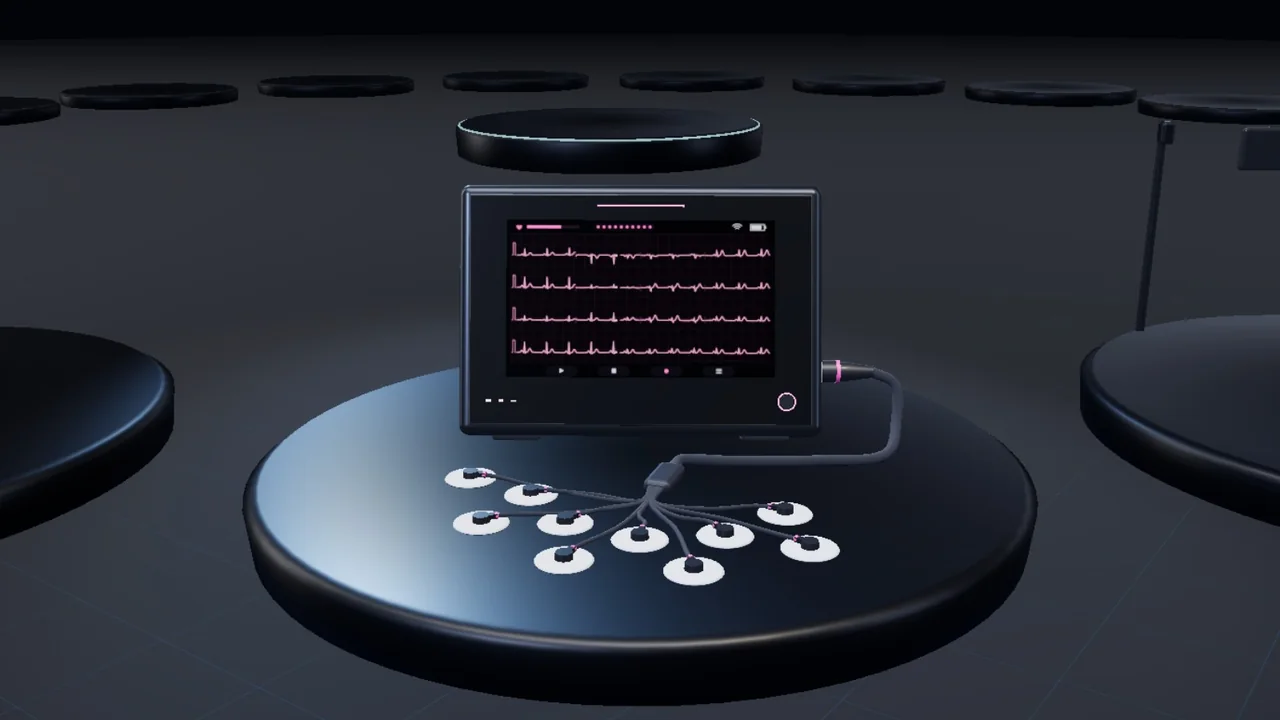
HEALTH-KEY ULTRA and HEALTH-BAND Neuro are in-development reference designs. The proposed stack combines EoS, configuration-specific ENI acquisition, EAI research models, encrypted local data, and a planned companion app; clinical validation is pending.
Learn more about Healthcare & WearablesAerospace & UAV
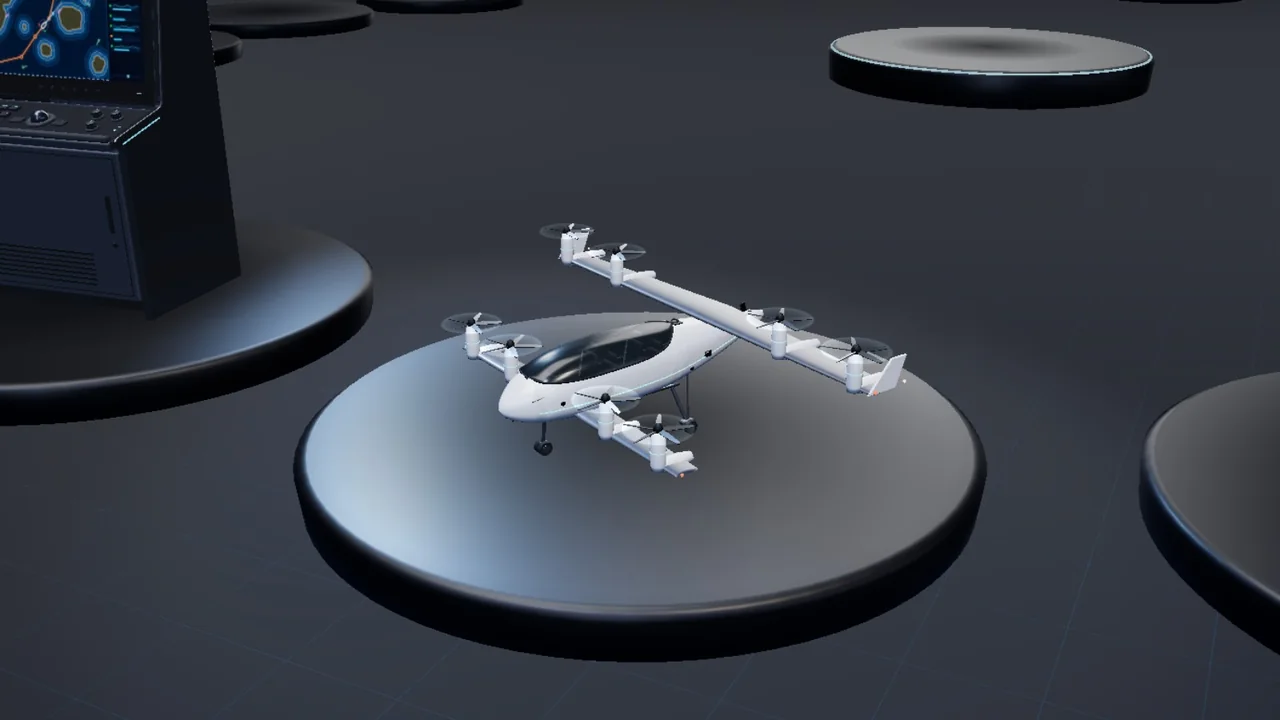
AeroSwift Personal is a concept aircraft and software reference architecture. The design combines EoS, an ARINC-429 HAL target, eBoot, EIPC, and EoSim; it has not been flight-tested or certified.
Learn more about Aerospace & UAVAutomotive & ADAS
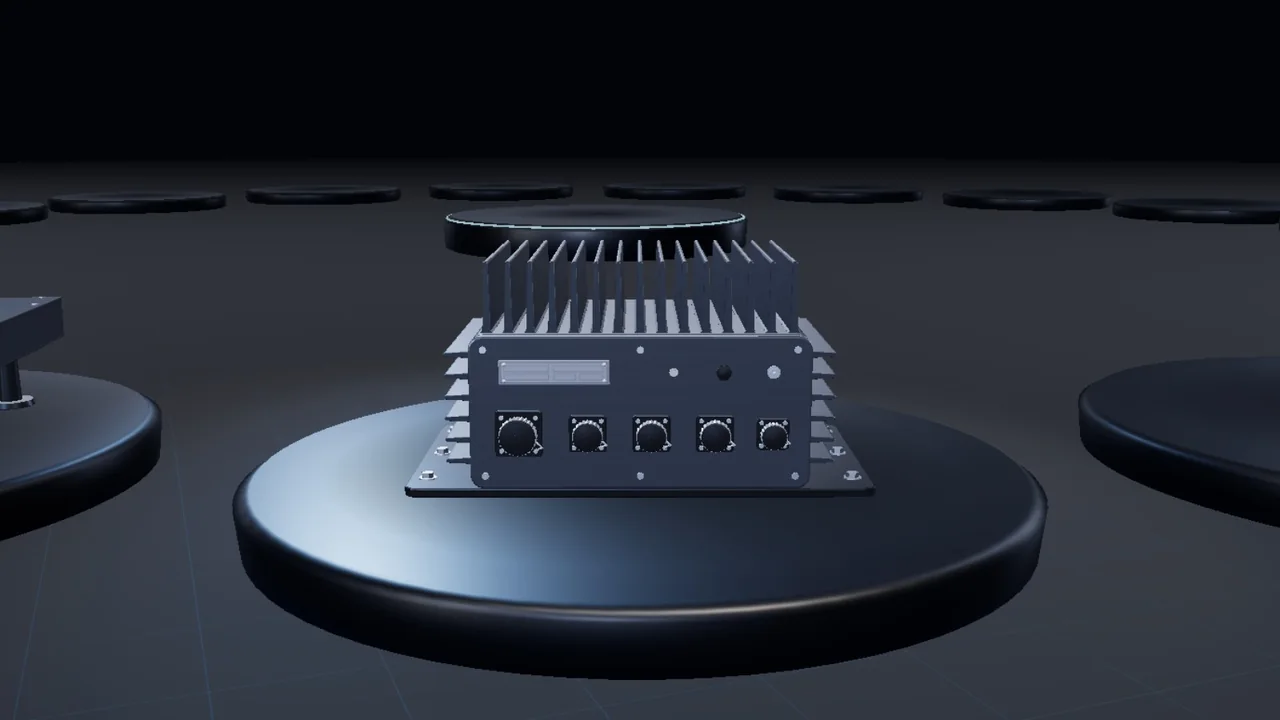
eRadar360 Aegis One is a design-stage reference architecture combining radar, camera, and V2X inputs with experimental EAI detection, EIPC data paths, and an eBuild target for NXP S32K344. Performance, partitioning, and end-to-end integration remain validation targets.
Learn more about Automotive & ADASIndustrial & IIoT
EoS targets IEC 61131-3 PLCs and Modbus gateways. eDB stores time-series sensor data with AES-256 encryption. EIPC bridges OT and IT networks securely. eFlow provides a visual node editor for industrial automation logic without writing C.
Learn more about Industrial & IIoTRobotics & Cobots
This reference scenario explores EoS servo control, ENI sEMG input, on-device EAI models, and EoStudio-assisted configuration. Individual elements carry separate maturity labels and require system-specific validation.
Learn more about Robotics & CobotsSmart City & Infrastructure
EoS runs on smart meters, traffic controllers, and 5G gateways. eDB stores utility telemetry. EIPC routes data between city subsystems. eFlow visualises sensor pipelines. EoSim validates firmware for 158 virtual platforms before deployment.
Learn more about Smart City & InfrastructureMedical Devices
The medical research stack targets IEC 60601-1 design requirements. ENI channel count and sample rate are configuration-specific; BCI, neurofeedback, seizure-pattern classification, and regulated patient-data use all require separate validation and approval.
Learn more about Medical DevicesEnergy & CleanTech
EoS runs on BMS controllers and solar inverters. eDB stores energy telemetry and grid state. EIPC routes data between battery packs and inverter controllers. EoSim validates firmware for energy hardware before deployment.
Learn more about Energy & CleanTech
Hardware Design Portfolio
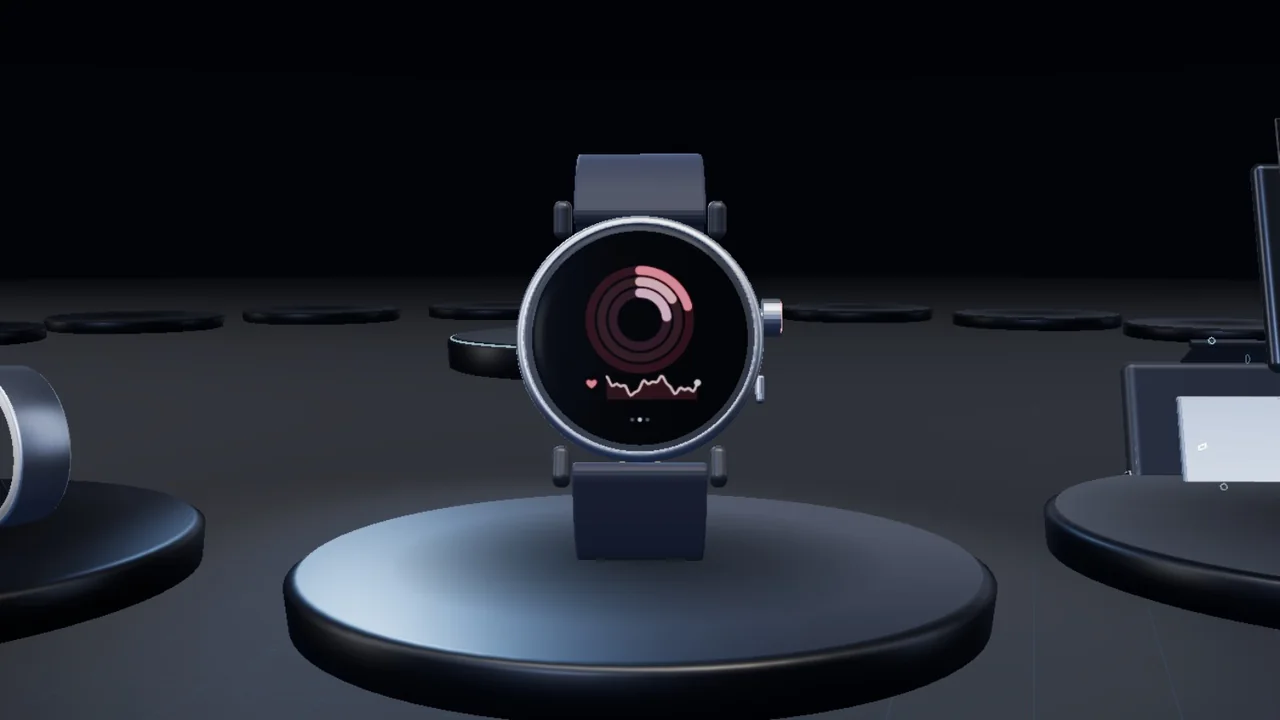
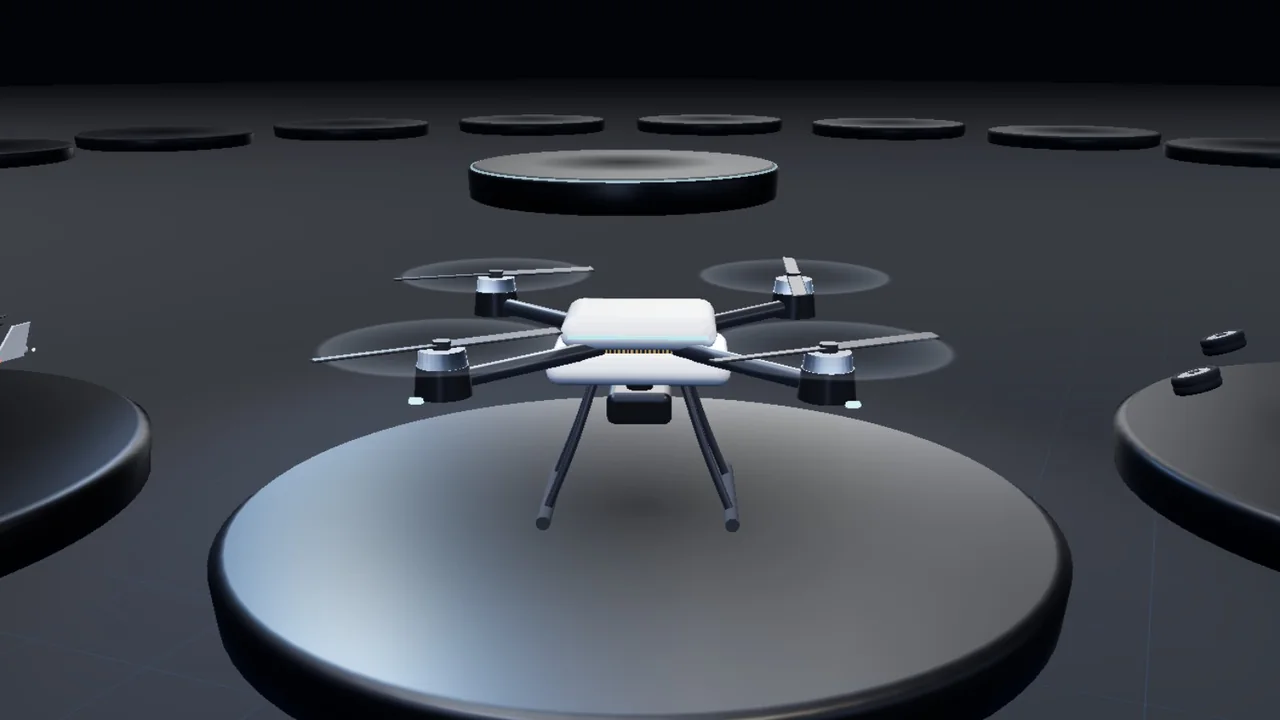
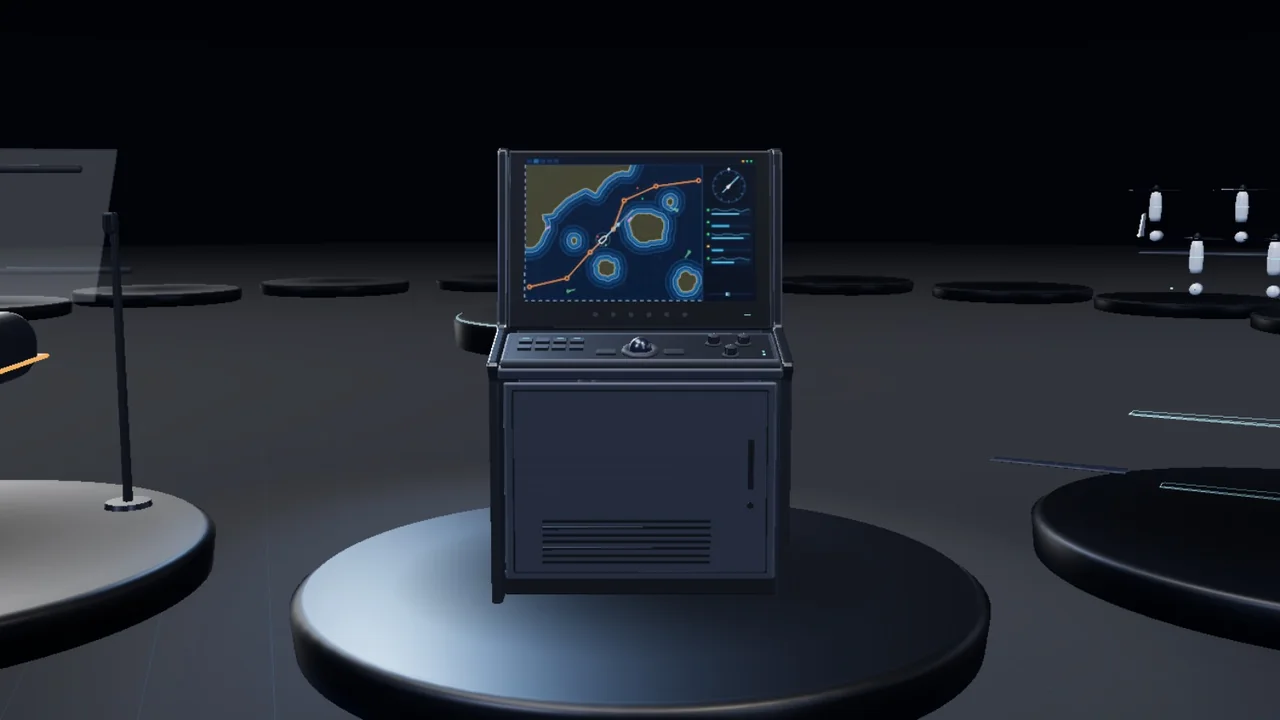
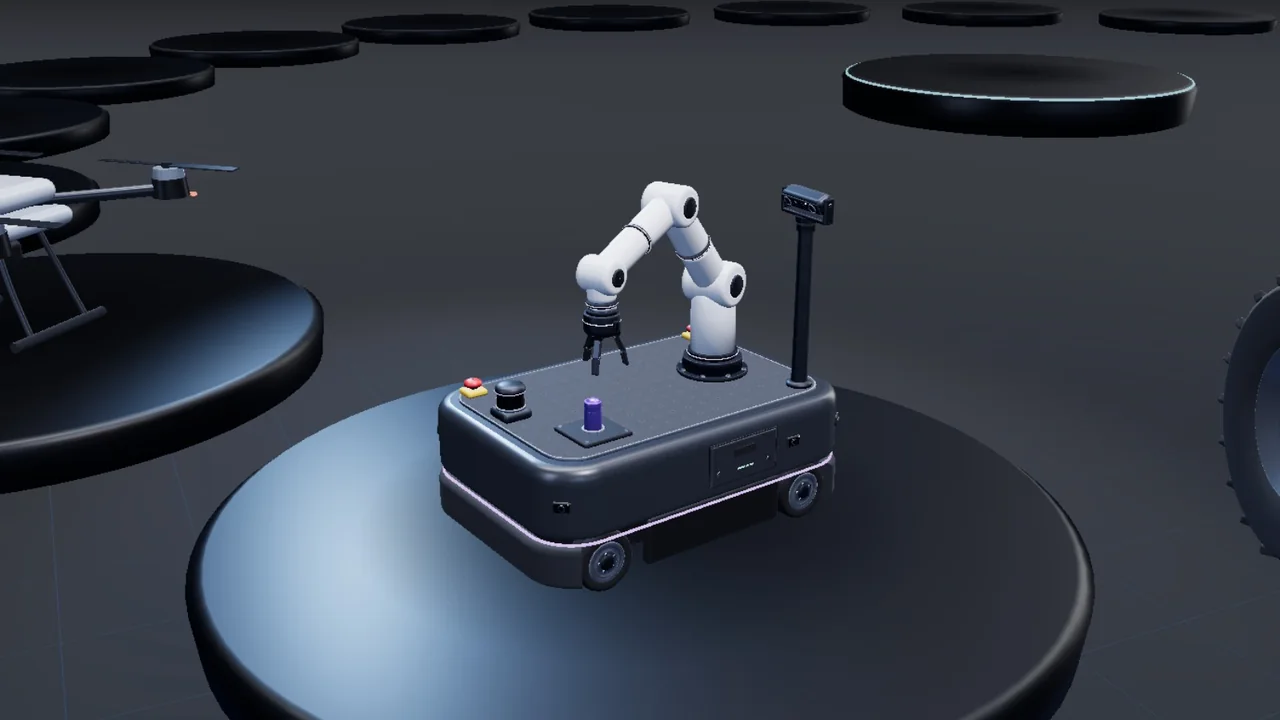
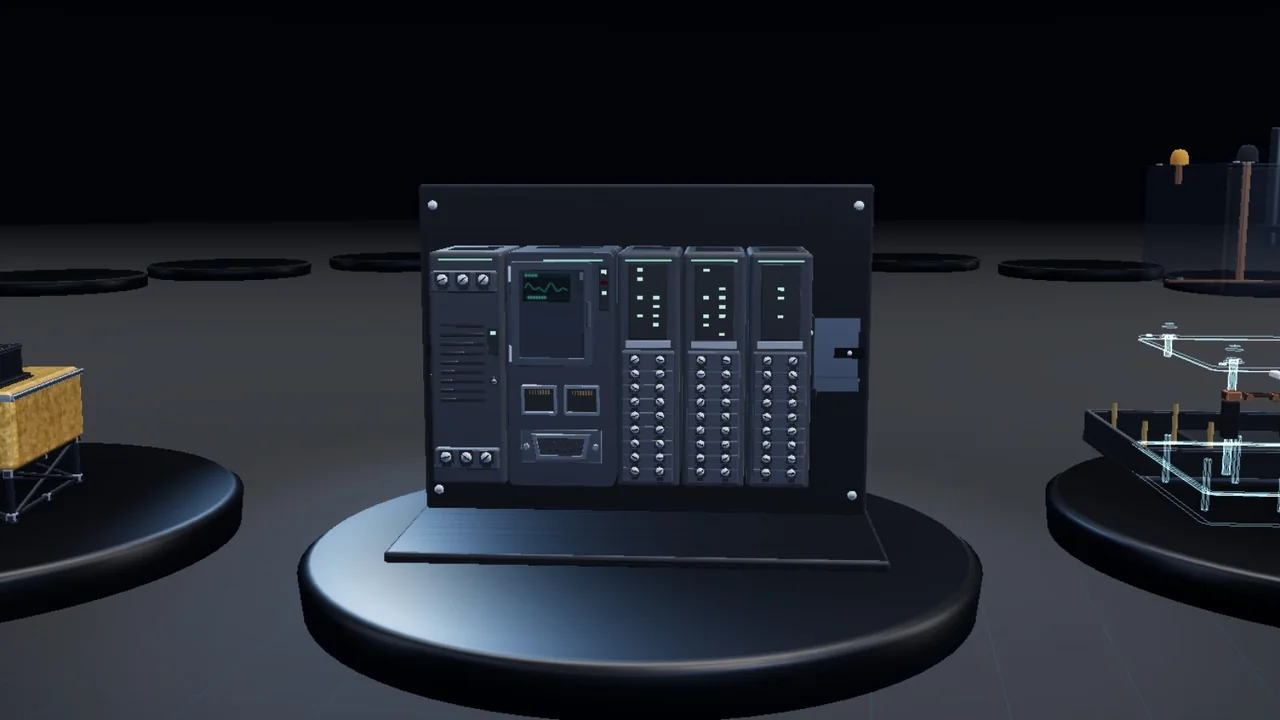
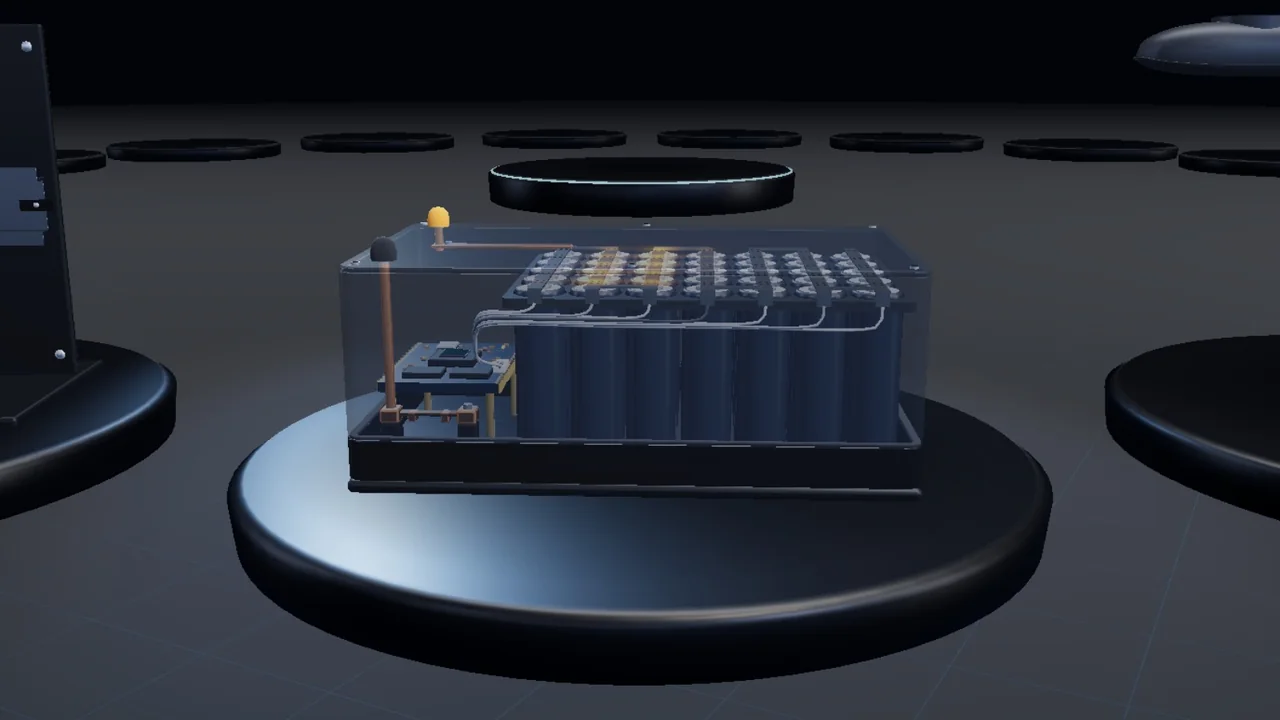
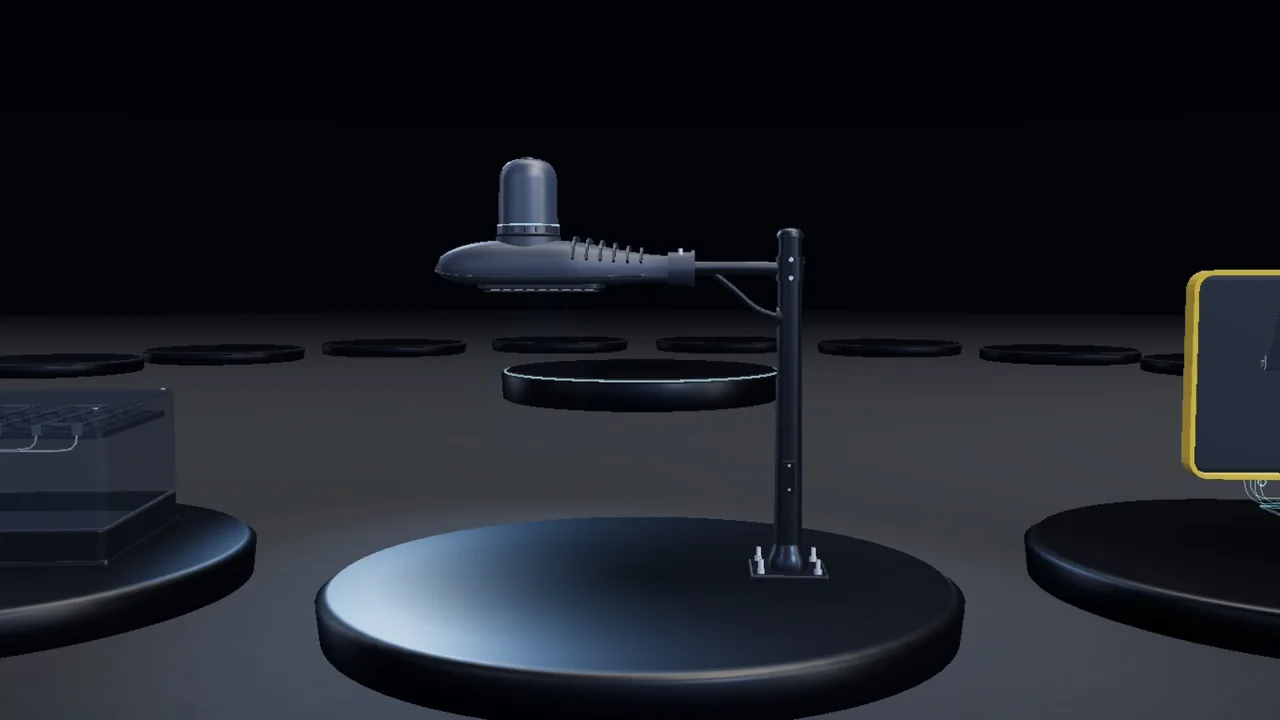
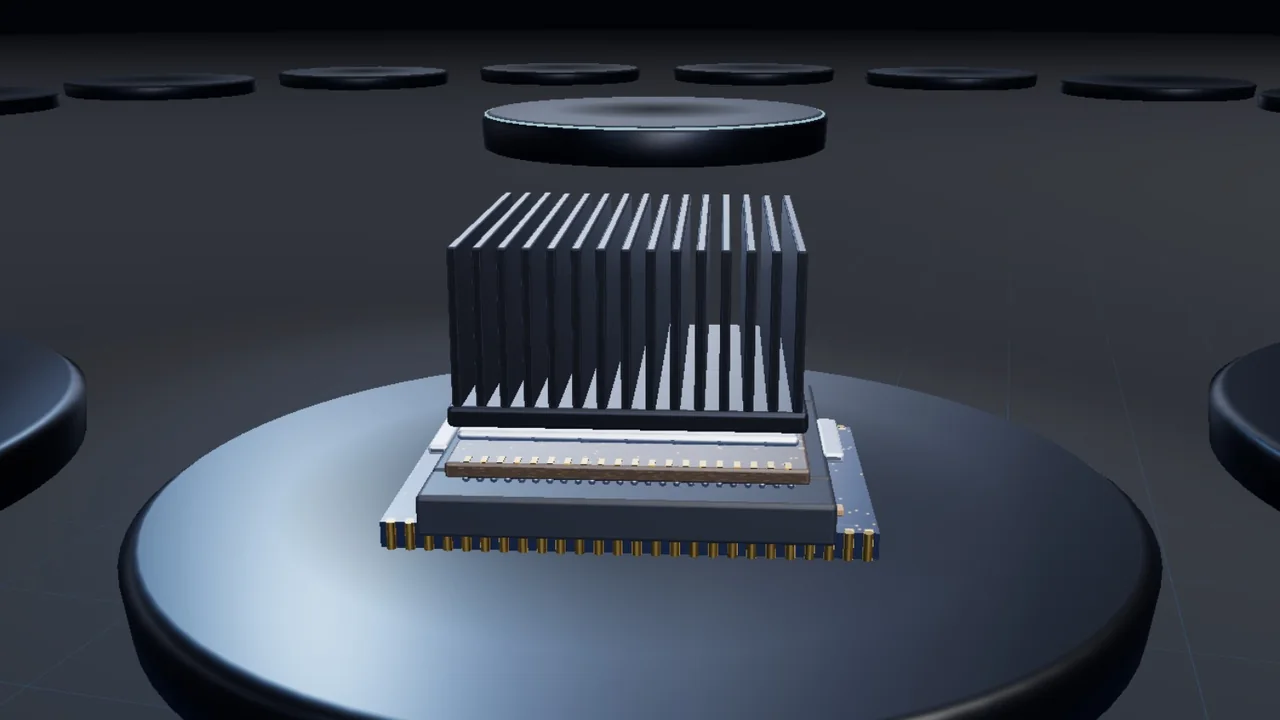
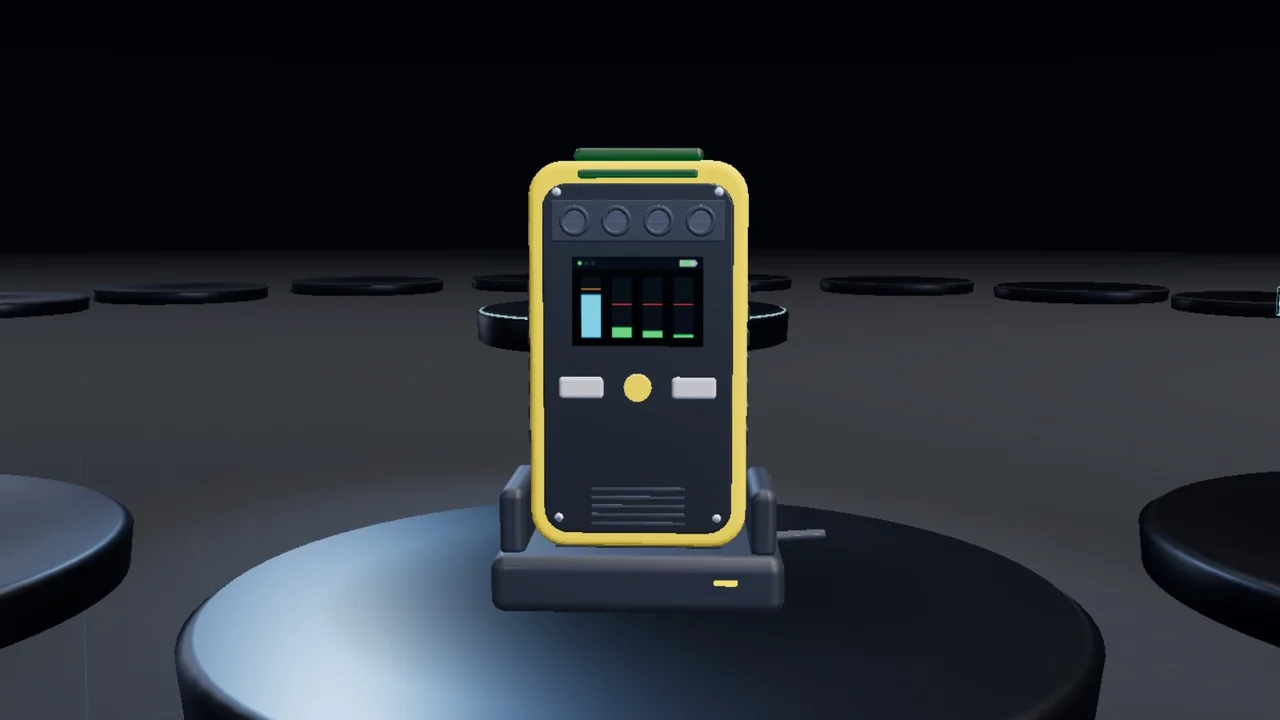
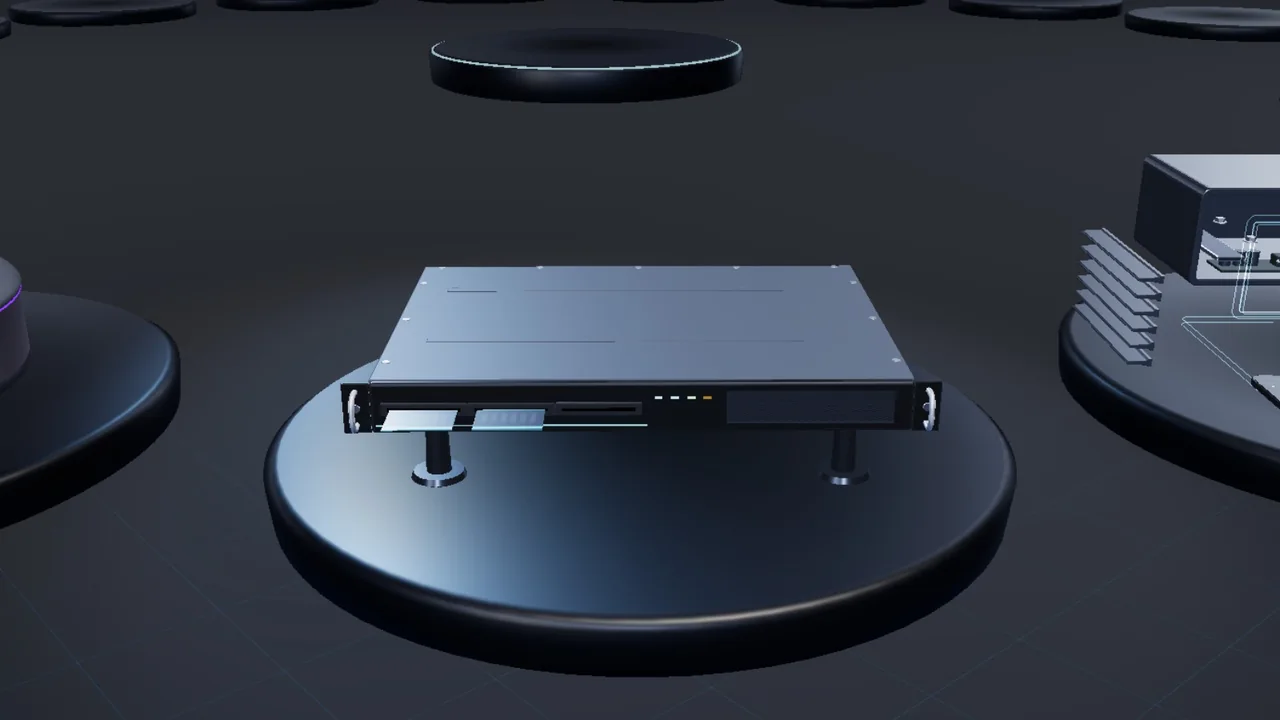
- Future Designs10 concept products


Open Source. Forever.
EmbeddedOS Research Foundation is a 501(c)(3) nonprofit. Foundation-authored projects are published under the MIT license, with public repositories and documentation. We believe open infrastructure for intelligent devices should be a public good that engineers, students, and researchers can inspect and build upon.